GoBalkans - cultural tours in the Balkans
​Since 2004
Destination Management Company
​for the Balkans
LOCAL EXPERT for real !
  • Home
  • About us
    • Events
  • Destinations
    • GUIDA ALLA BULGARIA >
      • Monasteri >
        • Monasteri della Bulgaria
        • Monastero di Rila
        • Monastero di Troyan
        • Monastero di Batoschevo
        • Monastero di Kremikovzi
        • Monastero di Rojen
        • Monastero San Dimitry Bassarbovsky
        • Monastero di Preobrajenski
        • Monastero di Lopushanski
        • Monastero di Dryanovo
        • Monastero di Ivanovo
        • Monastero di Zemen
        • Monastero di Klisura
        • Monastero di Kilifarevo
        • Monastero di Sokolovo
        • Monastero di Kapinovo
        • Monastero di Glojen
        • Monastero di Ciprovzi
        • Monastero di Etropole
        • Monastero di Shipka
        • Monastero di Dragalevzi
        • Monastero di Cerepìsh
        • Monasteri di Arbanassi
        • Monastero di Aladjà
        • Monastero di Bachkovo
      • Città e villaggi >
        • Sofia
        • Plovdiv
        • Varna
        • Veliko Tarnovo
        • Stara Zagora
        • Troyan
        • Koprivshtiza
        • Nessebar
        • Shumen
        • Kazanlak
        • Pleven
        • Cepelare
        • Russe
        • Pernik
        • Pamporovo
        • Kalofer
        • Devin
        • Yambol
        • Burgas
        • Hissarya
        • Kardjali
        • Kyustendil
        • Pirdop
        • Dupnitza
        • Samokov
        • Borovetz
        • Sliven
        • Shiroka Laka
        • Panagyurishte
        • Cirpàn
        • Botevgrad
        • Etropole
        • Aitos
        • Assenovgrad
        • Sozopol
        • Teteven
        • Slivengrad
        • Elhovo
        • Smolyan
        • Pazardjik
        • Sandanski
        • Tryavna
        • Mezdra
        • Haskovo
        • Melnik
        • Petrich
        • Gorna Oryahoviza
        • Blagoevgrad
        • Razlog
        • Vraza
        • Elèna
        • Silistra
        • Berkoviza
        • Yablaniza
        • Targovishte
        • Karnobat
        • Albena
        • Zlatni Piassazi (Golden Sands)
        • Lom
        • Montana
        • Dryanovo
        • Vidin
        • Kozlodui
        • SS. Costantin ed Elena
        • Veliki Preslav
        • Karlovo
        • Ahtopol
        • Pliska
        • Pomorie
        • Dimitrovgrad
        • Nikopol
        • Kotel
        • Balcik
        • Slancev Bryag
        • Aprilzi
        • Primorsko
        • Sopot
        • Elenite
        • Russalka
        • Belogradcik
        • Dobrich
        • Zarevo
        • Dyuni
        • Svishtov
        • Pavlikeni
        • Oryahovo
        • Malko Tarnovo
        • Perushtiza
        • Gabrovo
        • Kozlodui
        • Velingrad
        • Provadia
        • Lovech
        • Kavarna
        • Lukovit
        • Obzor
        • Shabla
        • Sevlievo
        • Kamcia
        • Pavel Banya
        • Razgrad
        • Bansko
        • Ciprovzi
        • Oryahovo
        • Gotze Delcev
        • Tutrakan
        • Kostenek
        • Batak
        • Brazigovo
      • Info utili >
        • Moneta e mezzi di pagamento
        • Politica
        • Corrente elettrica
        • Risorse energetiche
        • Geografia
        • Clima
        • Feste
        • Lingua
        • Sanità
        • Religione e popolazione
        • Orario
        • Cucina
        • Storia
        • Telefonare
      • Riserve e parchi naturali >
        • Parco Nazionale dei Balcani Centrali (Централен Балкан)
        • Parco Nazionale del Pirin (Национален Парк Пирин)
        • Parco Nazionale di Rila (Национален парк Рила)
        • Parco Naturale Sinite Kamani (Природен парк “Сините камъни”)
        • Parco Naturale Balgarka (Природен парк Българка)
        • Parco Naturale Vitosha (Природен парк Витоша)
        • Parco Naturale di Persina
        • Parco Naturale Vratchanski Balkan (Природен парк Врачански Балкан)
        • Parco Naturale Shumensko Plato (Природен парк Шуменско плато)
        • Parco Roussenski Lom (Природен парк Русенски лом)
    • Bulgaria
    • Macedonia
    • Albania
    • Kosovo
    • Montenegro
    • Serbia
    • Romania
    • North Greece
    • Bosnia Herzegovina
    • Croatia
    • Slovenia
    • UNESCO sites >
      • Bulgaria
      • Macedonia
      • Albania
      • Kosovo
      • Montenegro
      • Serbia
      • Romania
      • Northern Greece
      • Bosnia Herzegovina
      • Croatia
      • Slovenia
  • Tours
    • B2B Products >
      • English
  • Gallery
  • Blog
  • Contact us

XXXII° FESTIVAL "SURVA" 2026                                        Programma delle sfilate del 24.01 e il 25.01

12/1/2026

0 Comments

 
Picture
SABATO - 24 GENNAIO 2026

FASCIA ORARIA 10:00-11:00
Gruppo Survakar. presso il Parco Nazionale "Probuda-1935", distretto di Bela Voda, Pernik, regione di Pernik.
Gruppo Survakar presso il Parco Nazionale "Al. Konstantinov-1899", villaggio di Sirishtnik, comune di Kovachevtsi, regione di Pernik.
Gruppo Survakar presso il Centro Nazionale "Prosveta-1928", villaggio di Banishte, comune di Breznik, regione di Pernik.
Gruppo Survakar "Likove-Lekove" 6a Scuola Secondaria "Santi Cirillo e Metodio" città di Pernik, comune di Pernik.
Gruppo Kukeri presso la Scuola Nazionale "Iskra-1927", villaggio di Vresovo, comune di Ruen, regione di Burgas.


​FASCIA ORARIA  11:00-12:40 GRUPPI DALL'ESTERO

Gruppo di mascherata - Nuoro, Sardegna, Italia
Gruppo folcloristico - Kastoria, Grecia
Gruppo di mascherata "Centro Confucio" - Ruse
Gruppo di mascherata - Tiana, Sardegna, Italia
Gruppo di mascherata - Sopot, Repubblica di Macedonia del Nord
Gruppo folcloristico "Lygistes" - Atene, Grecia
Gruppo di mascherata - Tricarico, Italia
Gruppo di mascherata "Megas Alexandros" - Florina, Grecia
Gruppo di mascherata - Branesti, Romania
Gruppo di mascherata "Dzholomari" - città di Begnishte, Repubblica di Macedonia del Nord
Gruppo di mascherata - Irlanda
Gruppo folcloristico "Mitropoli" - Karditsa, Grecia
Gruppo di mascherata "Orsini di Prilep" - città di Prilep, Repubblica di Macedonia del Nord
Gruppo folcloristico - Igoumenitsa, Grecia

FASCIA ORARIA 12:40-14:00
Parco nazionale del gruppo Survakar "Svetlina1929", villaggio di Elov dol, comune di Zemen, regione: Pernik.
Gruppo collettivo Kukeri, città di Bansko, comune di Bansko, distretto di Blagoevgrad.
Gruppo Kukerи, villaggio di Otets Paisievo, comune di Kaloyanovo, regione di Plovdiv
Gruppo "Dzhumali", villaggio di Kalugerovo, comune di Lesichovo, distretto di Pazardzhik.

FASCIA ORARIA 14:00-15:00
Villaggio Kukerska Batujina di Kalipetrovo, comune di Silistra, regione di Silistra.
Gruppo Survakarvillaggio Sadovik, comune Breznik, regione: Pernik.
Villaggio "Startsi" di Vasil Levski, comune di Karlovo, regione di Plovdiv.
Gruppo Survakar, distretto di Strumsko, comune di Blagoevgrad, regione di Blagoevgrad.
Gruppo Kuker al Teatro Nazionale “Yordan Andonov – 1927”, villaggio di Veselinovo, comune di Tundzha, regione di Yambol.

FASCIA ORARIA 15:00-16:00
Gruppo Survakar, villaggio di Cherna Gora, comune di Pernik, regione di Pernik.
Gruppo Kukerи nel Parco Nazionale “Vasil Levski-1928”, villaggio di Kliment, comune di Karlovo, regione di Plovdiv.
Gruppo Survakar presso il Centro nazionale “Prosveta -1909”, città di Batanovtsi, comune di Pernik, regione di Pernik.
Gruppo Survakar del Parco Nazionale “Kl. Ohridski-1915”, villaggio di Dolni Rakovets, comune di Radomir, regione di Pernik.
Gruppo Survakar presso il Parco Nazionale "Hr. Botev-1940", villaggio di Yardzhilovtsi, comune di Pernik, regione di Pernik.

FASCIA ORARIA 16:00-17:30
Gruppo Roma Survakar, città di Radomir, comune di Radomir, regione di Pernik.
Gruppo Survakar, villaggio di Leskovets, comune di Pernik, regione di Pernik.
Gruppo Survakar, villaggio di D. Dikanya, comune di Radomir, regione di Pernik.
Gruppo Survakar presso il Centro Comunitario Nazionale "Hr. Botev-1961", villaggio di Lyulin, comune di Pernik, regione di Pernik.
Gruppo Survakar "Svetlina"-1932, Svetlya, comune di Kovachevtsi, regione di Pernik.

DOMENICA - 25 GENNAIO 2026

FASCIA ORARIA 10:00-11:00
Gruppo Survakar, villaggio di Konska, comune di Breznik, regione di Pernik.
Gruppo Survakar presso la scuola "Svetlina-1936", villaggio di Priboy, comune di Radomir, regione di Pernik.
Gruppo Survakar, villaggio di Slakovtsi, comune di Breznik, regione di Pernik.
"I Kukeri Neri" presso il Centro Comunitario Nazionale "Coscienza-1927", villaggio di Veselinovo, comune di Smyadovo, regione di Shumen
Gruppo Survakar presso il Centro Nazionale "Graovska Probuda - 1928" Velkovtsi, comune di Breznik, regione di Pernik.

FASCIA ORARIA 11:00-12:00
Gruppo degli orsi, villaggio della fattoria Piperkov, comune di Kyustendil, regione di Kyustendil
Gruppo culinario del Centro Culturale Nazionale "G. Benkovski 1928" villaggio di Gorna Vasilitsa, comune di Kostenets, regione di Sofia.
Città di Stanchinarska, distretto di Dalboshnitsa, comune di Petrich, regione di Blagoevgrad.
Devedzhii" villaggio di Lesnovo, comune di Elin Pelin, regione di Sofia.

FUSO ORARIO 12:00-13:00
Gruppo Survakar presso il Centro Nazionale "Probuda-1928" villaggio di Bogdanov dol, comune di Pernik, regione di Pernik.
Gruppo "Babugeri" villaggio di Kolarovo, comune di Petrich, distretto: Blagoevgrad
Gruppo di soccorso presso la ONG "Prosveta1988", villaggio di Girchevtsi, comune di Kyustendil, regione di Kyustendil.
Gruppo Kukeri, villaggio di Zimnitsa, comune di Straldzha, regione di Yambol.
Gruppo Survakar, villaggio di Gigintsi, comune di Breznik, regione di Pernik.

FASCIA ORARIA 13:00-14:00
Gruppo Survakar "Terzo quarto" Città di Blagoevgrad, comune di Blagoevgrad, regione di Blagoevgrad
Gruppo Survakar al Parco Nazionale "Bl. Gebrev" 1905, villaggio di Drugan, comune di Radomir, regione di Pernik
Gruppo di soccorso presso il Parco Nazionale "Ivo Voyvoda - 1928", villaggio di Dolna Sekirna, comune di Breznik, regione di Pernik
Gruppo di soccorso, villaggio di Lobosh, comune di Kovachevtsi, regione di Pernik

FASCIA ORARIA 14:00-15:00
"Centro 2023" città di Petrich, comune di Petrich, regione di Blagoevgrad
Gruppo di soccorso, villaggio di Begunovtsi, comune di Breznik, regione di Pernik.
Gruppo di soccorso presso il "Bl. Parco Nazionale "Popov-1927", villaggio di Dren, comune di Radomir, regione di Pernik
Gruppo Kukeri, villaggio di Krupnik, comune di Simitli, regione di Blagoevgrad

FASCIA ORARIA  15:00-16:30
Gruppo Survakar nel Parco Nazionale "Hr. Botev-1928", villaggio di Kopanitsa, comune di Radomir, regione di Pernik.
Gruppo di soccorso nel Parco Nazionale "Probuda-1931", villaggio di Noevtsi, comune di Breznik, regione di Pernik.
Gruppo Survakar nel Parco Nazionale "P. K. Yavorov - 1926", villaggio di Meshtitsa, comune di Pernik, regione di Pernik.
Gruppo Survakar, villaggio di Kosharevo, comune di Breznik, regione di Pernik.

Fonte: https://surva.org/index.php/2026/01/09/grafik-24-25-01/

0 Comments

GoBalkans Explores Borca di Cadore: A Historical and Natural Heritage at the Heart of the Great War

24/11/2025

0 Comments

 
From October 13 to 17, 2025, GoBalkans had the honor of being invited to participate in a fam trip to Borca di Cadore, a destination of great historical and scenic significance located in the Belluno Dolomites. Renowned for its crucial role during the First World War, the Cadore area was one of the main Alpine fronts of the conflict, the site of fierce battles on strategic peaks such as Monte Piana, the Tre Cime di Lavaredo, and Passo Tre Croci.
The fam trip allowed GoBalkans, a tour operator specialized in thematic itineraries dedicated to the Great War, to deepen its direct knowledge of this unique territory. During the five-day trip, the team visited the main local accommodations, from traditional historic hotels to new tourism services such as campsites and apartments, assessing the quality of hospitality and the ability to meet the needs of cultural and historical travelers.
A highlight was the guided excursions along historical and natural trails, including the Calalzo-Cortina cycle path that follows the route of the former railway, and the thematic paths around Monte Piana, now an open-air museum with trenches and fortifications still accessible. These itineraries perfectly illustrate how historical memory can be enhanced within a slow and sustainable tourism context, offering visitors an immersive and reflective experience.
Discovering the local gastronomy and bicycle rental services, along with the wellness offerings at Corte SPA Dolomiti, demonstrated how Borca di Cadore can combine history, nature, and comfort, creating comprehensive and diverse tourist packages.
Equally important was the opportunity to engage with other European operators and local stakeholders, from tourism professionals to administrators, to share visions and strategies for sustainable development, in line with the values GoBalkans has always promoted: conscious cultural tourism, preservation of historical heritage, and respect for the environment.
This experience has significantly enriched GoBalkans’ offerings, which intends to integrate Borca di Cadore into its thematic itineraries, thus expanding its proposals for travelers passionate about history and nature, seeking responsible and quality tourism.
GoBalkans thanks the organizers and the community of Borca di Cadore for their warm hospitality and the valuable opportunity to explore a territory so rich in memory and beauty.
0 Comments

GoBalkans esplora Borca di Cadore: un patrimonio storico e naturale al centro della Grande Guerra

24/11/2025

0 Comments

 
Dal 13 al 17 ottobre 2025, GoBalkans ha avuto l’onore di essere invitato a partecipare a un fam trip a Borca di Cadore, una destinazione di grande rilevanza storica e paesaggistica situata nelle Dolomiti bellunesi. Rinomata per il suo ruolo cruciale durante la Prima Guerra Mondiale, l’area del Cadore è uno dei fronti alpini più significativi del conflitto, teatro di aspri combattimenti su vette strategiche come il Monte Piana, le Tre Cime di Lavaredo e il Passo Tre Croci.
Il fam trip ha permesso a GoBalkans, tour operator specializzato in itinerari tematici dedicati alla Grande Guerra, di approfondire la conoscenza diretta di questo territorio unico. Durante i cinque giorni di viaggio, il team ha potuto visitare le principali strutture ricettive della zona, dai tradizionali hotel storici ai nuovi servizi turistici come campeggi e appartamenti, valutando la qualità dell’accoglienza e la capacità di rispondere alle esigenze di viaggiatori culturali e storici.
Un elemento di grande valore è stata l’esperienza delle escursioni guidate lungo sentieri storici e naturalistici, tra cui la pista ciclabile Calalzo-Cortina, che segue il tracciato dell’ex ferrovia, e i percorsi tematici attorno al Monte Piana, oggi un museo a cielo aperto con trincee e fortificazioni ancora visitabili. Questi itinerari rappresentano un esempio perfetto di come la memoria storica possa essere valorizzata in un contesto di turismo slow e sostenibile, offrendo al visitatore un’esperienza immersiva e riflessiva.
La scoperta della gastronomia locale e dei servizi di noleggio biciclette, insieme all’offerta benessere della Corte SPA Dolomiti, hanno mostrato come Borca di Cadore sia in grado di coniugare storia, natura e comfort, creando pacchetti turistici completi e diversificati.
Importante è stata anche la possibilità di confrontarsi con altri operatori europei e con le realtà locali, dai professionisti del turismo agli amministratori, per condividere visioni e strategie di sviluppo sostenibile, in linea con i valori che GoBalkans promuove da sempre: turismo culturale consapevole, tutela del patrimonio storico e rispetto per l’ambiente.
Questa esperienza ha arricchito significativamente l’offerta di GoBalkans, che intende integrare Borca di Cadore nei propri itinerari tematici, ampliando così la proposta per viaggiatori appassionati di storia e natura, alla ricerca di un turismo responsabile e di qualità.
GoBalkans ringrazia gli organizzatori e la comunità di Borca di Cadore per l’accoglienza e la preziosa opportunità di esplorare un territorio così ricco di memoria e bellezza.

0 Comments

Recensione Tour Alla scoperta della Bulgaria dal 7 al 14 aprile

17/4/2023

5 Comments

 
Gent.ma sig.ra Emilia
siamo appena rientrati dal viaggio in Bulgaria dal 7 al 14 aprile e volevamo  comunicarle  la nostra grande gioia e soddisfazione nell’aver fatto questo stupendo viaggio con voi, GO BALKANS, che siete stati fantastici, precisi, inappuntabili, affidabili, capaci ed efficienti. Tutto è andato secondo il programma: alberghi ottimi e tutti centrali, pranzi o cene comprese super, tour completo e onnicomprensivo, mezzo di trasporto nuovissimo e comodo, accompagnatore/guida/autista KAMEN MECHKOV eccezionale sempre disponibile, gentile, puntuale, simpatico, validissimo, comprensivo, competente e pronto, con il consiglio giusto, a farci godere appieno i siti visitati.
Un ringraziamento ancora e un affettuoso saluto 
Elena, Barbara, Sandro e Filly

5 Comments

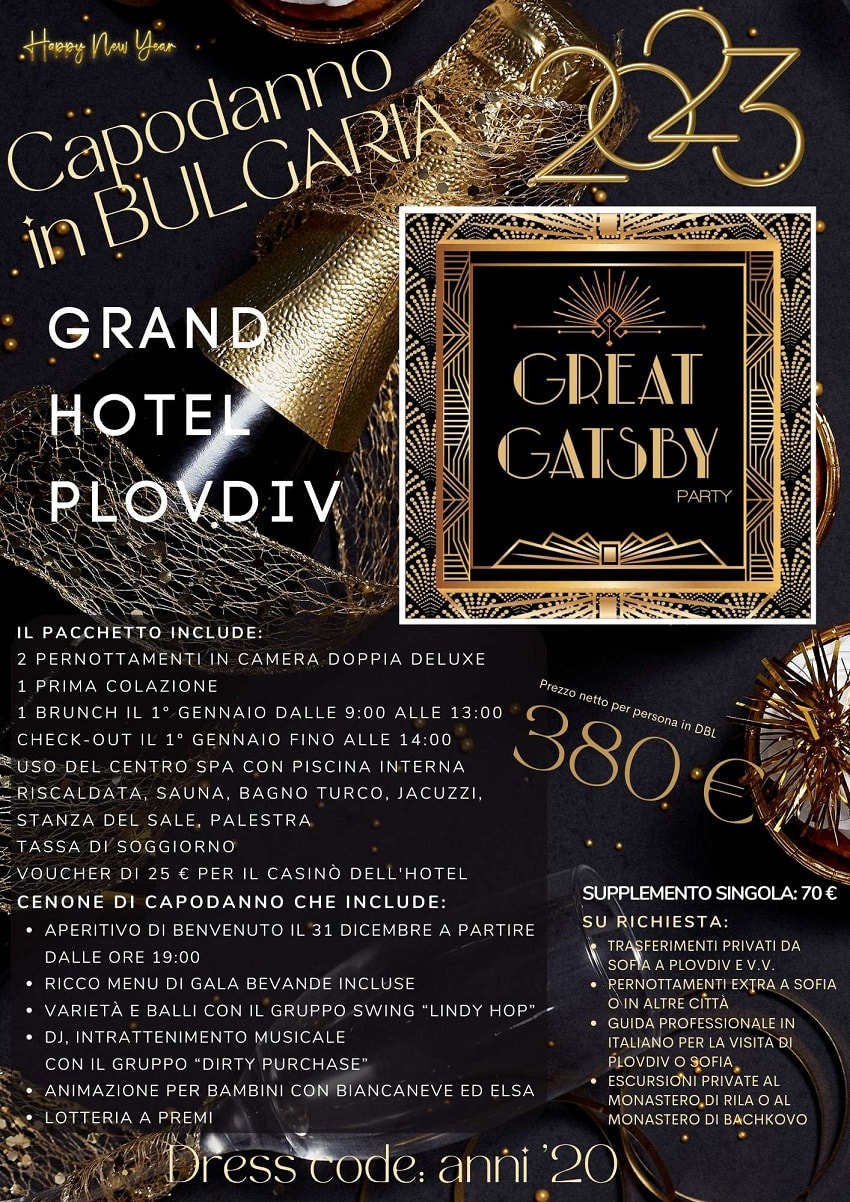
Soirée "GREAT GATSBY" - NOUVEL AN A PLOVDIV

15/11/2022

3 Comments

 
Picture
3 Comments

"GRANDE GATSBY" party - Capodanno 2023 a Plovdiv

15/11/2022

6 Comments

 
Picture
6 Comments

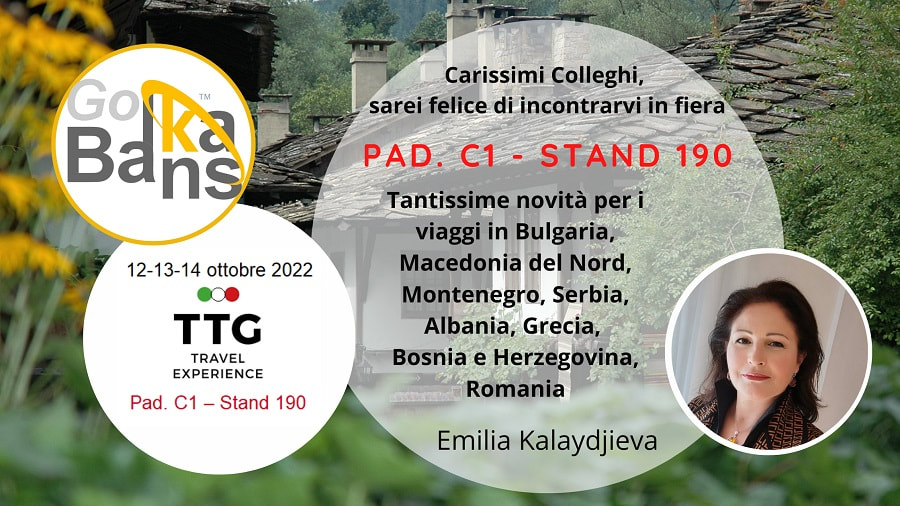
GoBalkans partecipa al TTG Travel Experience                                  The Italian Marketplace for Travel & Hospitality

5/10/2022

0 Comments

 
Picture
0 Comments

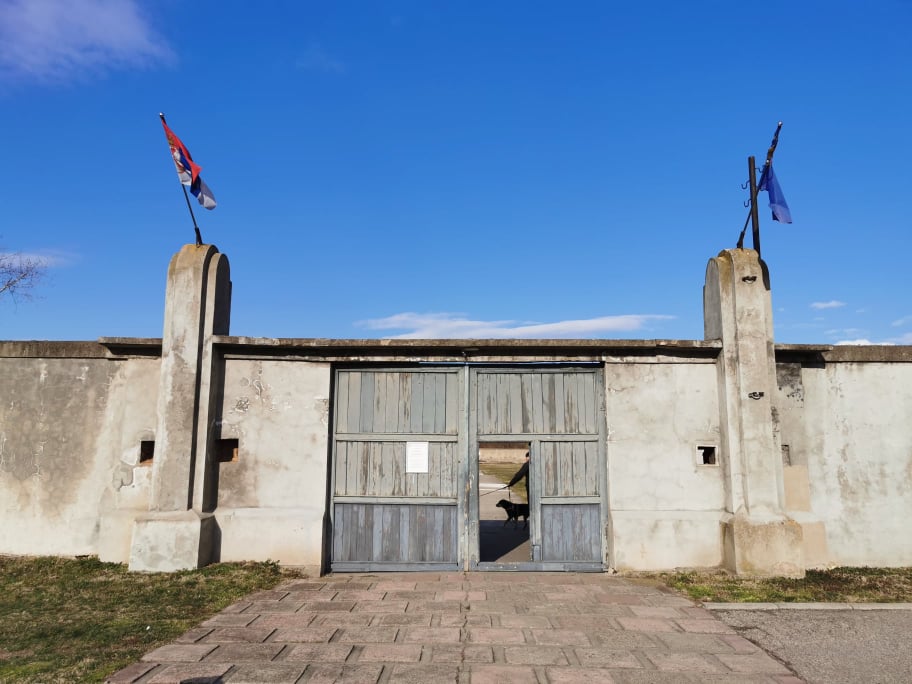
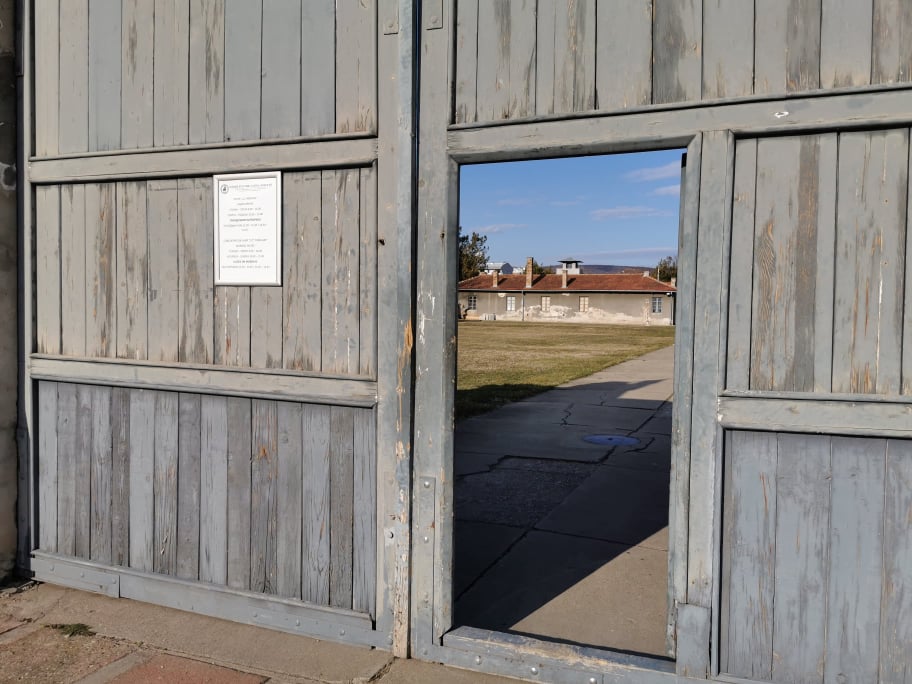
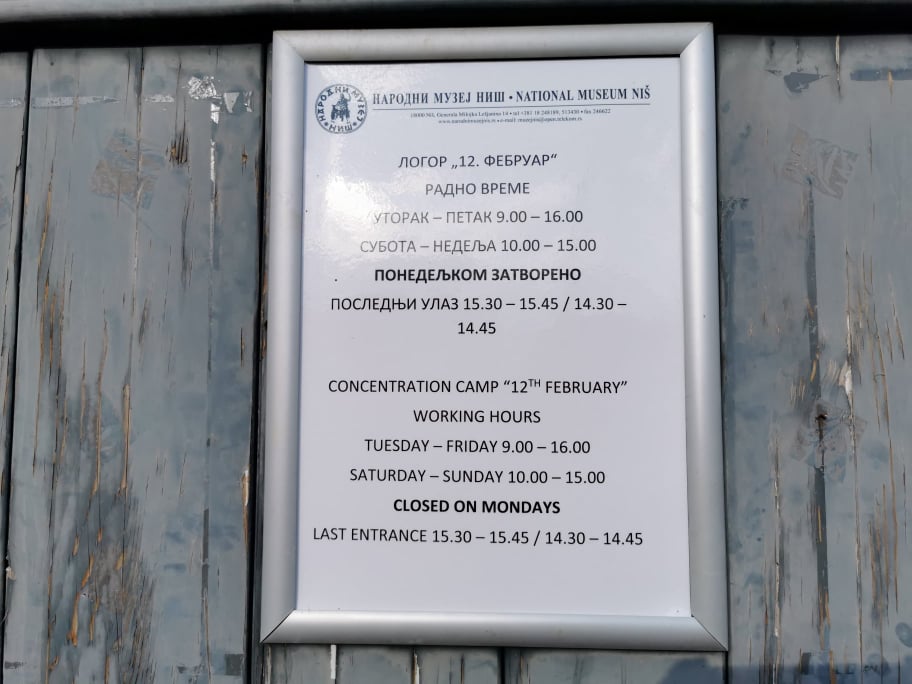
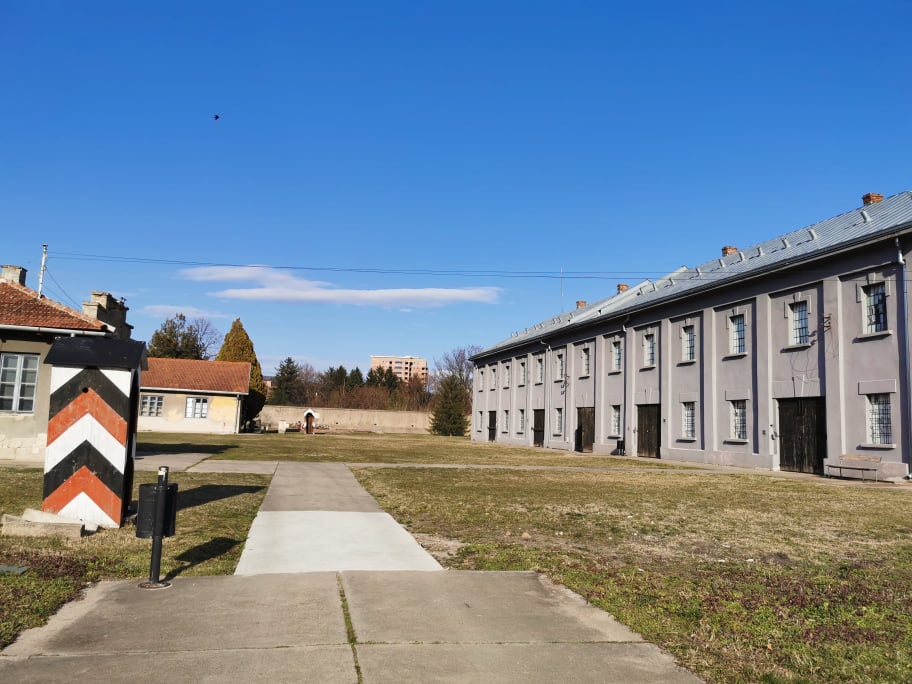
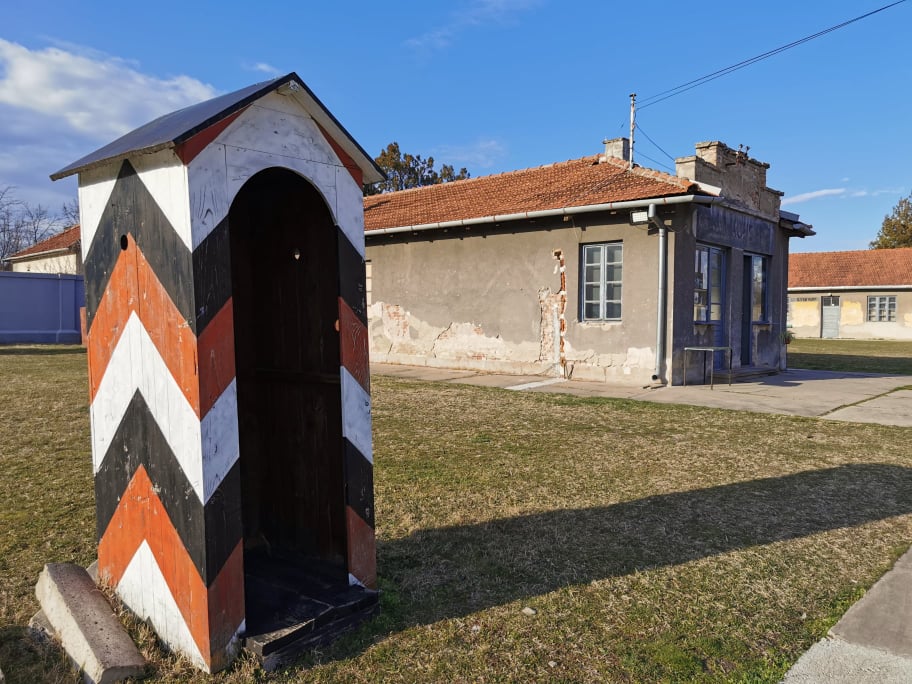
Crveni Krst concentration camp - Nis, Serbia

4/4/2022

0 Comments

 
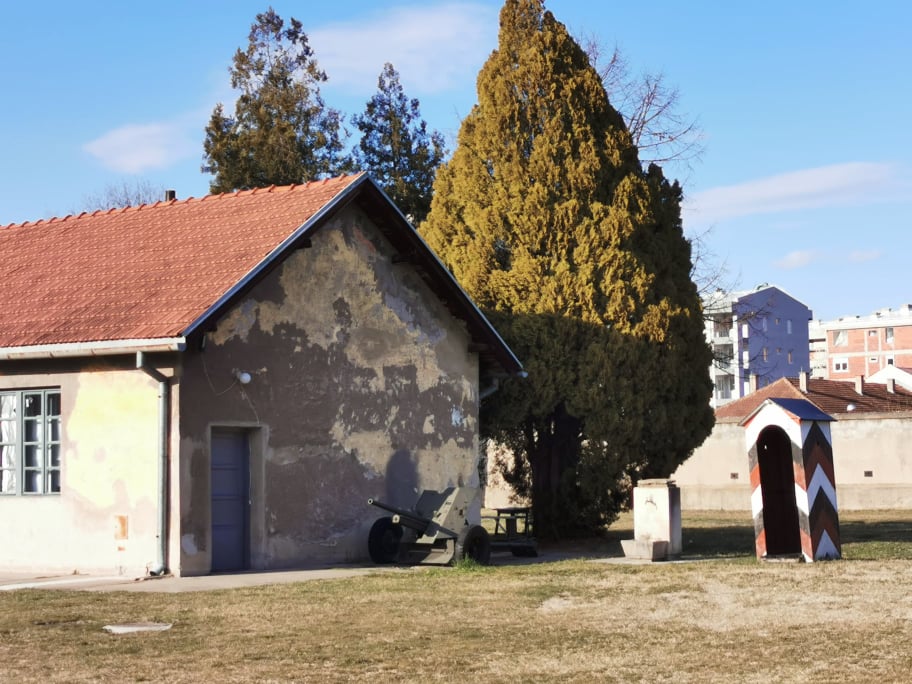
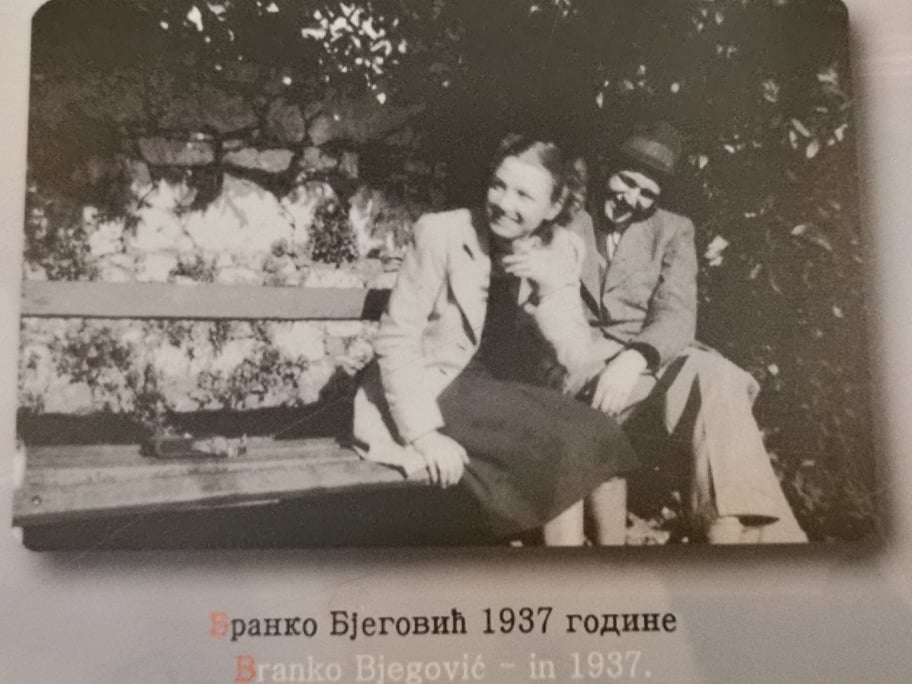
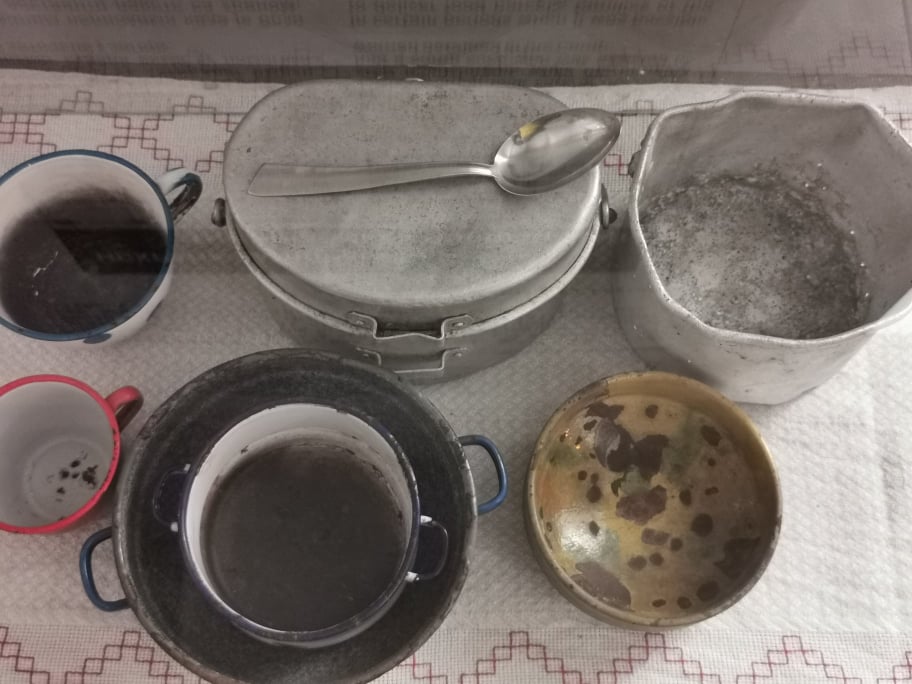
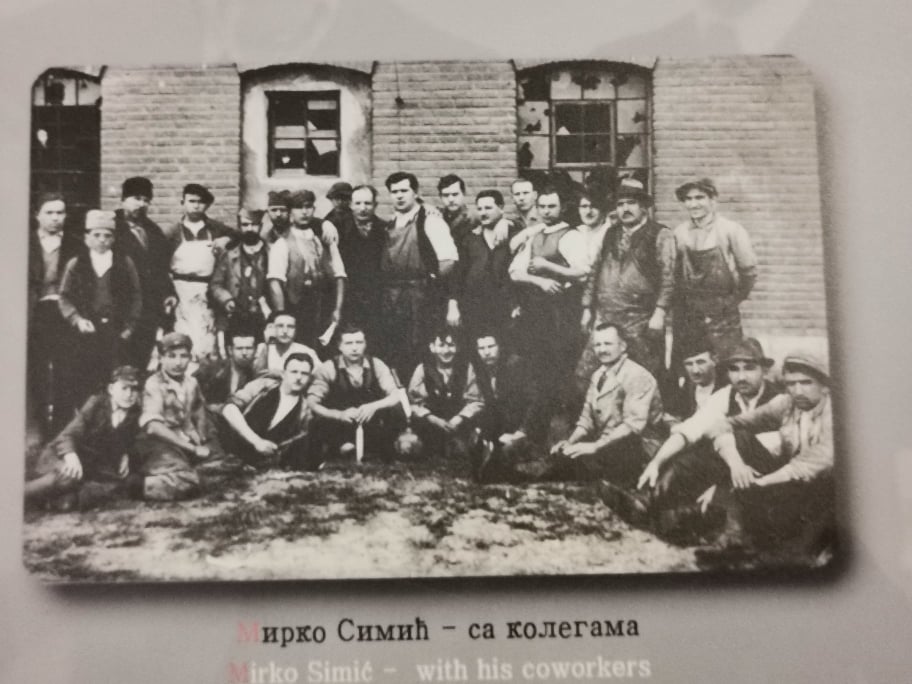
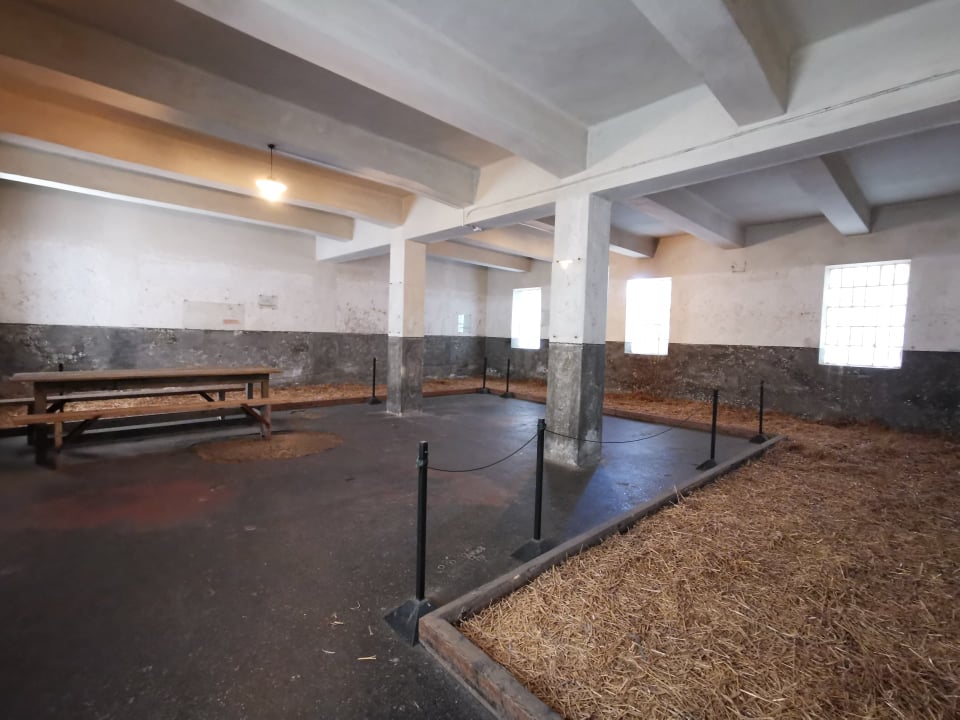
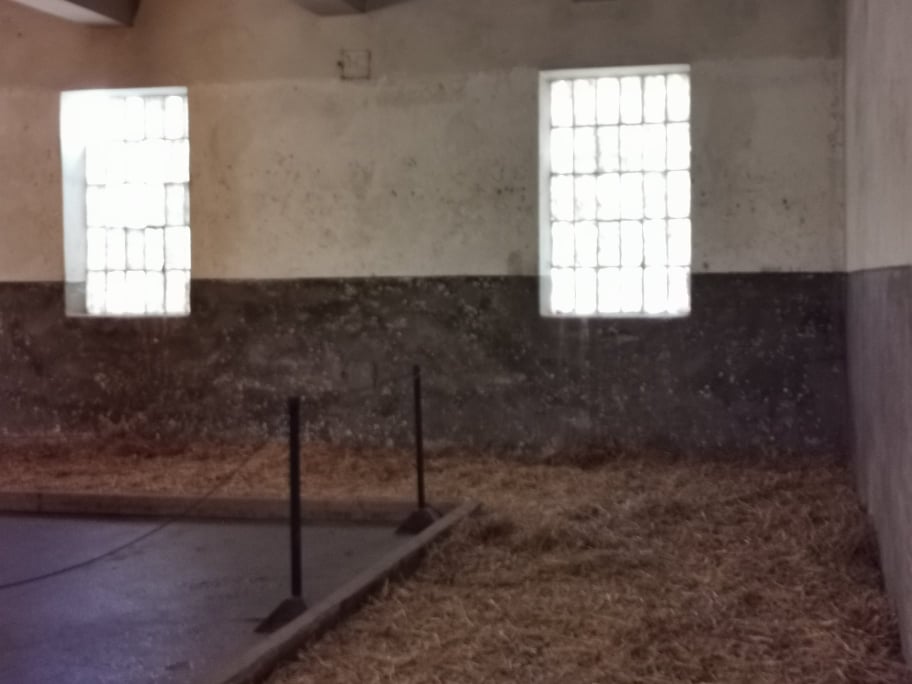
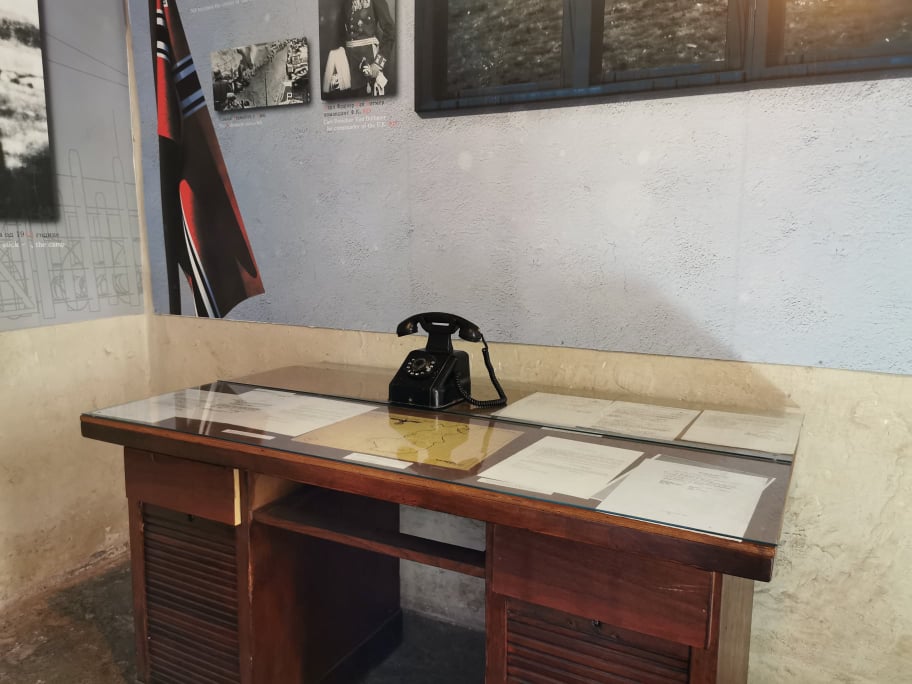
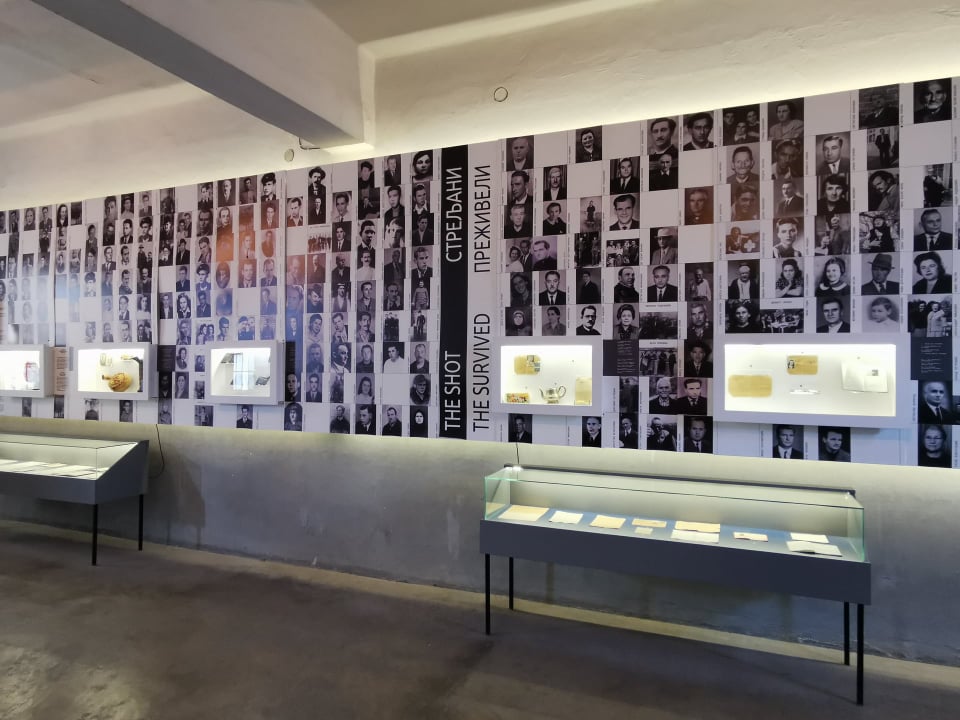
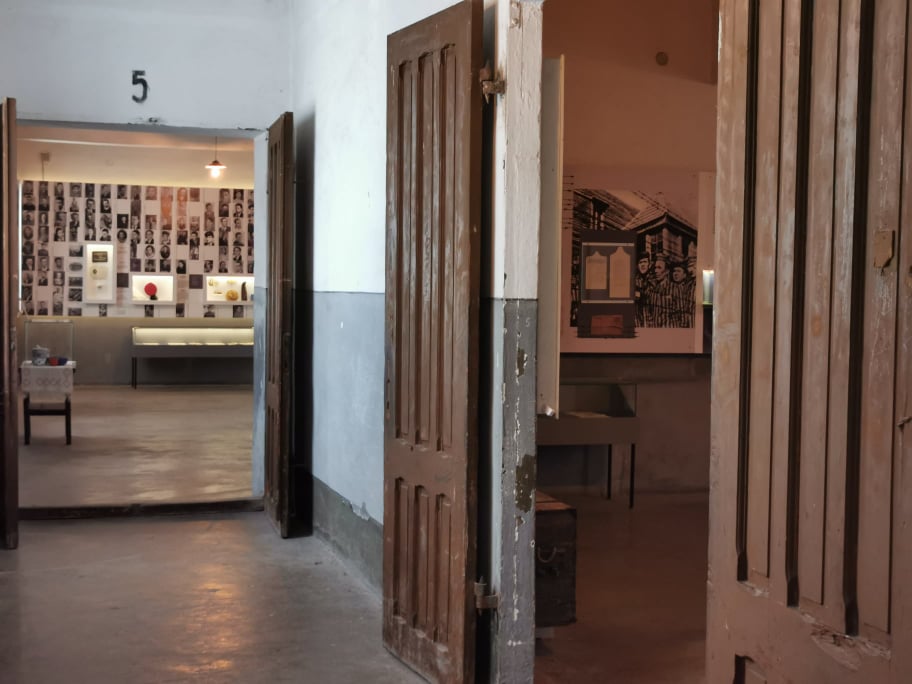
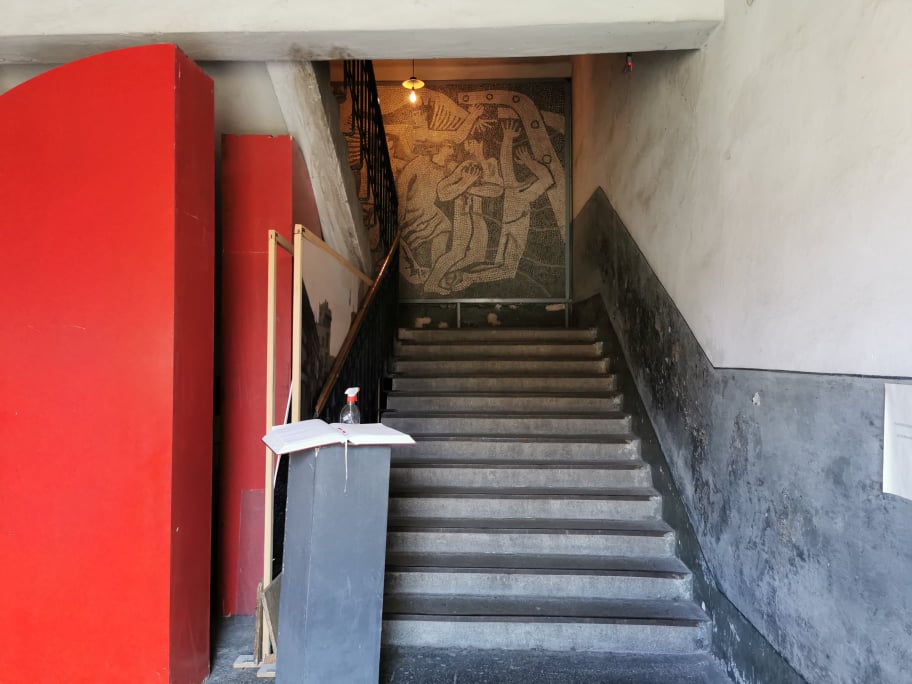
Here are some photos from an our recent exciting visit to a concentration camp reminiscent of the dark times of humanity. 
Don't miss to go to this place in Nis, the ugliness of war must not be forgotten and the innocent fallen must live forever in our collective memory.

​
​https://narodnimuzejnis.rs/ 
Picture
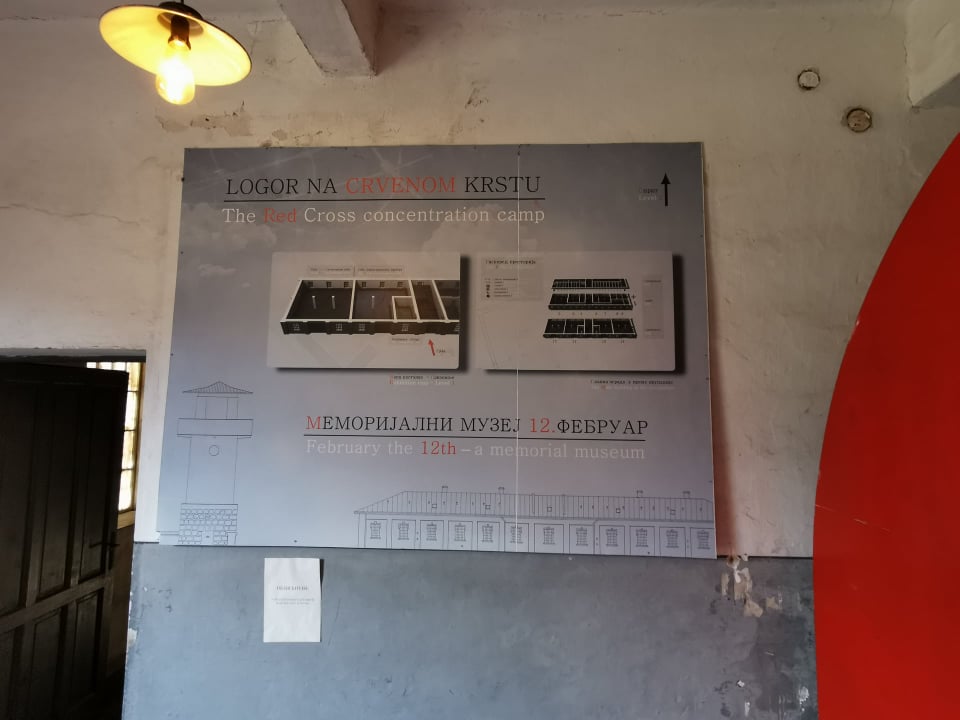
A memorial museum was opened on the former campgrounds in 1967 and in 1979 the campgrounds were declared a Cultural Monument of Exceptional Importance and came under the protection of the Socialist Republic of Serbia.
The Crveni Krst concentration camp (lit. Red Cross concentration camp; German: KZ Crveni Krst; Serbian: Логор Црвени крст, romanized: Logor Crveni krst), also known as the Niš concentration camp (German: Lager Nich), located in Crveni Krst, Niš, was operated by the German Gestapo and used to hold captured Serbs, Jews and Romanis during the Second World War.
Established in mid-1941, it was used to detain as many as 35,000 people during the war and was liberated by the Yugoslav Partisans in 1944. More than 10,000 people are thought to have been killed at the camp. After the war, a memorial to the victims of the camp was erected on Mount Bubanj, where many inmates were shot. 
0 Comments

European Best Destinations 2022  - 4. Plovdiv, Bulgaria

11/2/2022

1 Comment

 
The best places to visit in Europe selected by travellers
Picture
Did you know that Plovdiv, besides being one of your European Best Destinations 2022, was the oldest inhabited city in Europe and one of the most ancient in the world?

As the main cultural centre of Bulgaria, Plovdiv deservedly won the title of European Capital of Culture 2019. 
The city is home to impressive monuments of antiquity – the 1st-century theatre, the Roman Stadium from the 2nd century, the Ancient Forum, fine examples of Roman mosaic heritage, seen in The Bishop’s Basilica of Philippopolis (4-6th century) and in The Small Early Christian Basilica (4-6th century), and others.

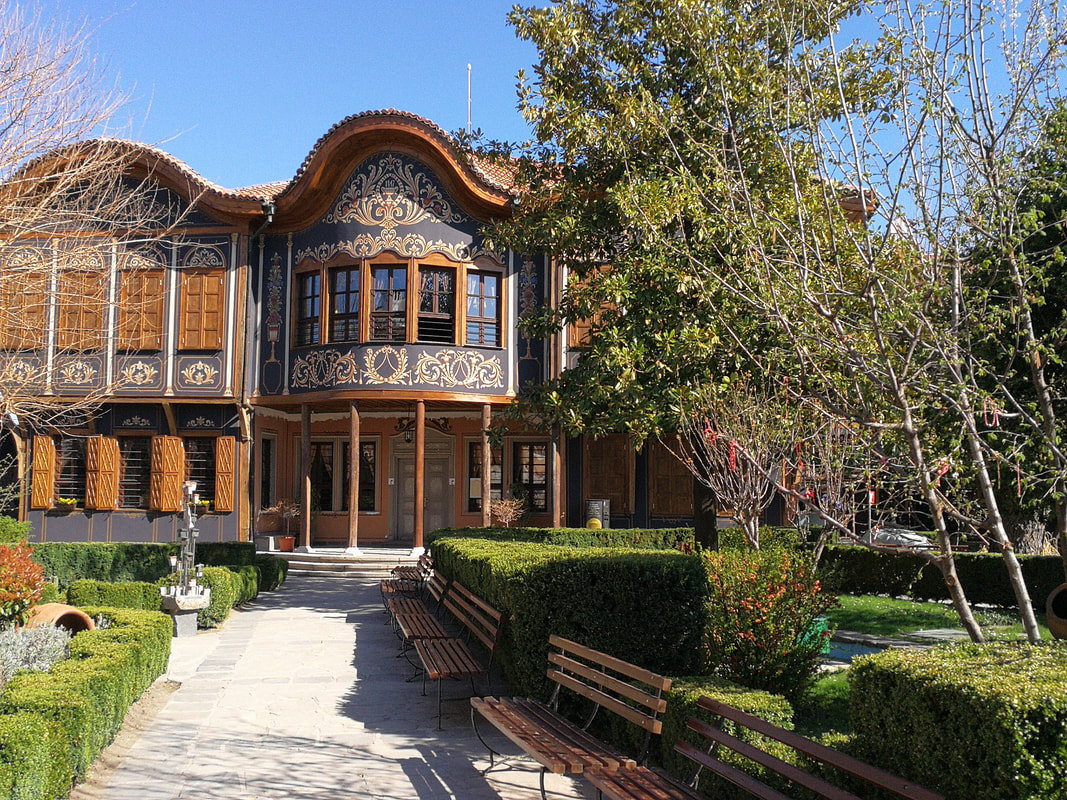
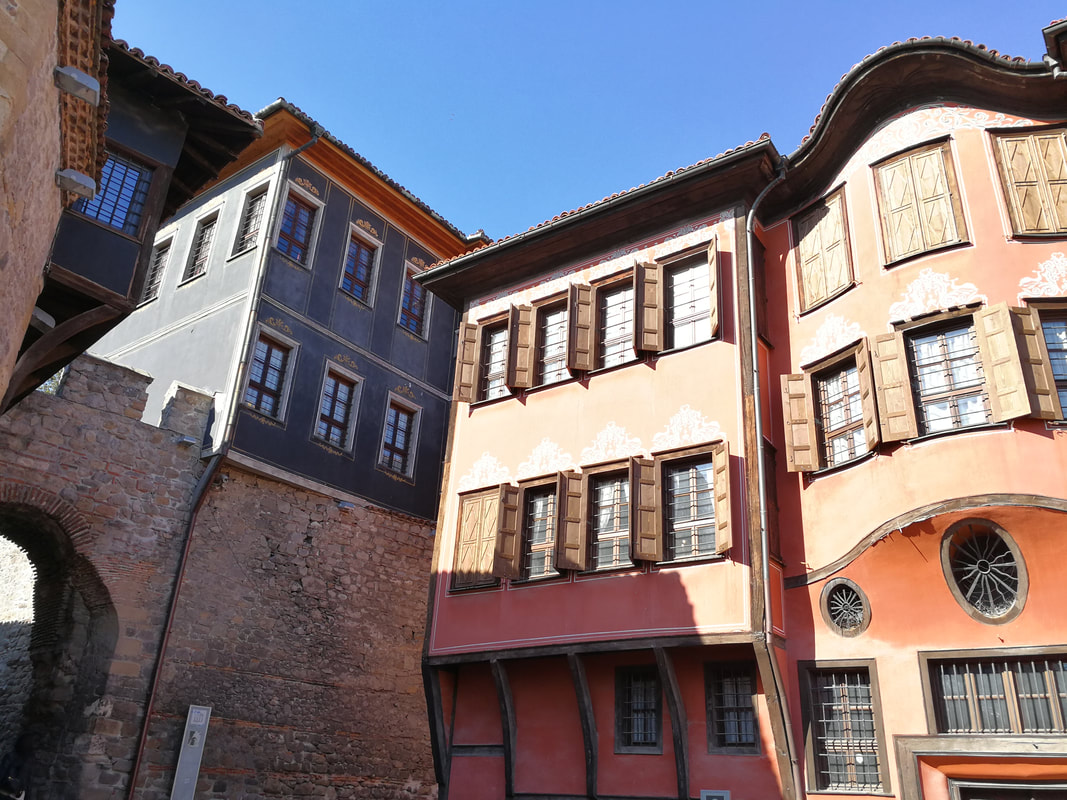
Plovdiv Old Town, the city’s finest gem, is a cultural phenomenon that enchants with its beautiful and richly decorated Revival houses. Thanks to the economic and cultural impulse carried by the Mayor of Plovdiv, Mr. Zdravko Dimitrov but also the Deputy Mayor in charge of Culture & Tourism Mr. Plamen Panov and the Tourism Department of Plovdiv this destination is also ranked first among your Best Cultural Destinations in Europe 2022. Plovdiv has also been the most voted Bulgarian destination since the creation of this competition in 2009.  

Plovdiv is the city in which millennial history, culture and heritage are in harmony. Ancient and eternal, artistic and modern, cosmopolitan and romantic, this city is so captivating and full of life.

​https://www.europeanbestdestinations.com/european-best-destinations-2022/

Picture
Picture
1 Comment

Cultural Events Festivals and Gatherings in Bulgaria          Lifestyle and Culture

5/2/2022

0 Comments

 
Do not miss the numerous manifestations of the KUKERI “Mummers” dancing masks that chase away the maglinities and open the way to spring!
Lifestyles and cultures in what is now Bulgaria have developed over thousands of years. The country is located at the crossroad between Europe and Asia, and the lands of Bulgaria have been populated since antiquity. The Slavs and proto-Bulgarians were greatly influenced by the cultures of the Thracians, Illyrians and Greeks, and all peoples who resided on these lands – Thracians, Romans, Slavs, and Bulgarians – have contributed to the world’s cultural heritage. It is no accident that the earliest European civilization grew up here. Some of the most famous treasures in the world were discovered at the Varna necropolis, including the worlds oldest golden ornaments; There are Thracian tombs and sanctuaries in Kazanlak, Sveshtari, Starosel, Aleksandrovo, Perperikon, and Tatul. A large number of other golden artifacts have been found, in the Panagyurishte, Valchitran, Rogozen, and elsewhere. The remains of the Thracian, Hellenistic and Roman culture are many and varied. In the dozens of Thracians tombs that have been discovered, there are unique remains attesting to the high material and spiritual culture of antiquity. Entire city complexes had been found – Augusta Trayana, Trimontium, Nikopolis ad Istrum, Pautalia, Akre, Mesemvria, Apolonia, Serdika and many others. The traditions, festivals, customs, and rituals preserved by Bulgarians through the ages are evidence of the country’s profound spirituality and its dynamic lifestyle and culture.
Bulgarian customs are rooted in antiquity and are closely tied to the country’s history and particular expression of Eastern Orthodox Christianity. Dancing on live coals is an ancient Bulgarian ritual still practiced in a few villages in the Balkan Mountains. The ritual in its authentic form is performed on the name day of Saints Konstantin and Helena – 21 May or (3 June according to the old calendar. Fire dancers prepare for their dance by spending hours locked in a chapel, venerating the icons of these two saints while listening to the beating of drums and the music of gaidas (Bulgarian bagpipes), which is a special melody associated with fire dancing, after which they often fall into trance. In the evening they perform their special dance on live coals. During their dance they always hold aloft in both hands an icon of Saint Konstantin and Saint Helena. Amazingly, they never get hurt or burn their feet.
“Mummers” is another local tradition that also found in other societies in the world. The Mummer games are special customs and rituals conducted most often on New Year’s Eve and at Shrovetide. They are only performed by men, who wear special masks and costumes that have been made for the occasion by each of the participants. The mummers’ ritual dances are said to chase away bad spirits and demons at the beginning of every year, so as to greet the new year cleansed and charged with positive energy.
“Laduvane” is another interesting ritual thatis performed on the New Year’s Eve, George’s Day, Midsummer’s Eve and St. Lazar’s Day. At this ritual young women predict their future in marriage and the men they will marry. They address Lada, the goddess of love and family life, to ask her about their future husbands.
“Lazaruvane” is a ritual related to coming of spring. It is conducted on St. Lazar’s Day, eight days before Easter. The date of the celebration varies, but it is always on the Saturday before the celebration of Palm Sunday. On this day willow branches are picked and used to decorate the doors of houses on the following day. Then the young maidens in the villages pick flowers to shape as garlands on Palm Sunday. On Saturday maidens gather in the home of one of their number and dress in festive clothes decorated with flowers and sprigs. Then they walk through the village from house to house, offering blessings for good health and rich harvests. They are invited in and given small gifts. Probably the most important symbol of Bulgaria is the ritual of making and giving martenitsas for health and happiness at the beginning of March. For Bulgarians this is a symbol of the year’s renewal, again intended to promote health and successful harvests.
Especially well-respected in Bulgaria are traditions related to the circle of life – birth, christening, wedding, and funeral. Saints’ name days are also highly respected in the country, the most famous ones being St. John’s day, St. George’s Day, and St. Dimitar’s Day.
The holidays that are most honored by Bulgarians are undoubtedly Christmas and Easter – when the generations all celebrate together, united by the feeling of belonging to the harmonious Bulgarian family. Also especially highly honored are the first Sunday before Lent, the second Sunday before Lent, Mother’s Day, All Soul’s Day, and Lent.
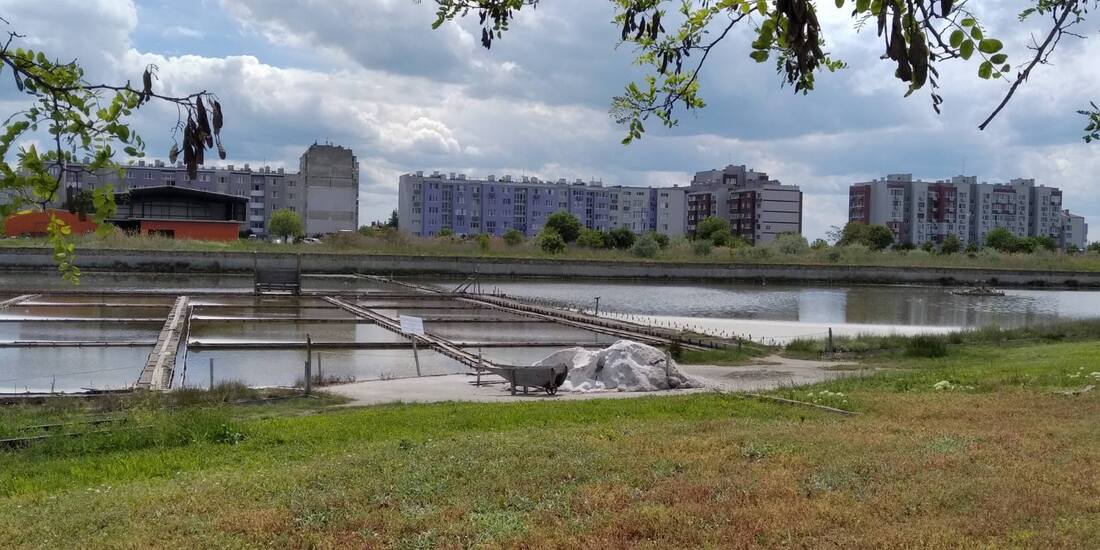
While traveling around the country, tourists will become acquainted with various rituals and customs, many of which are typical only for specific regions in Bulgaria.
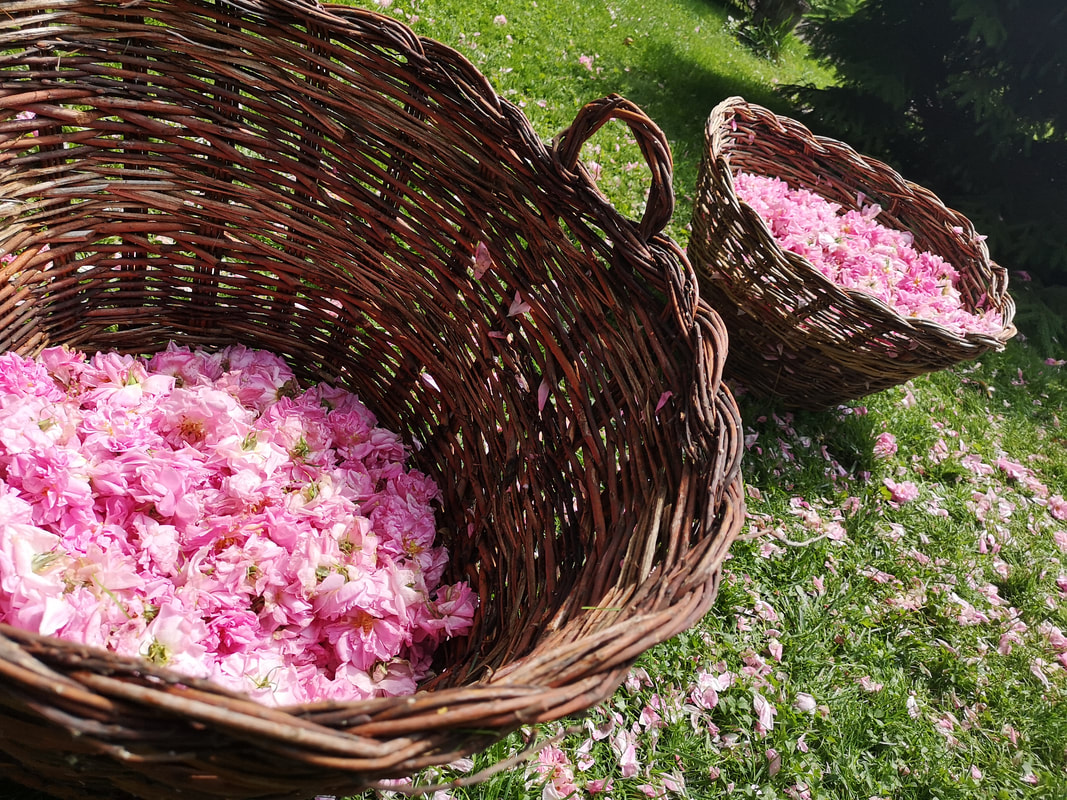
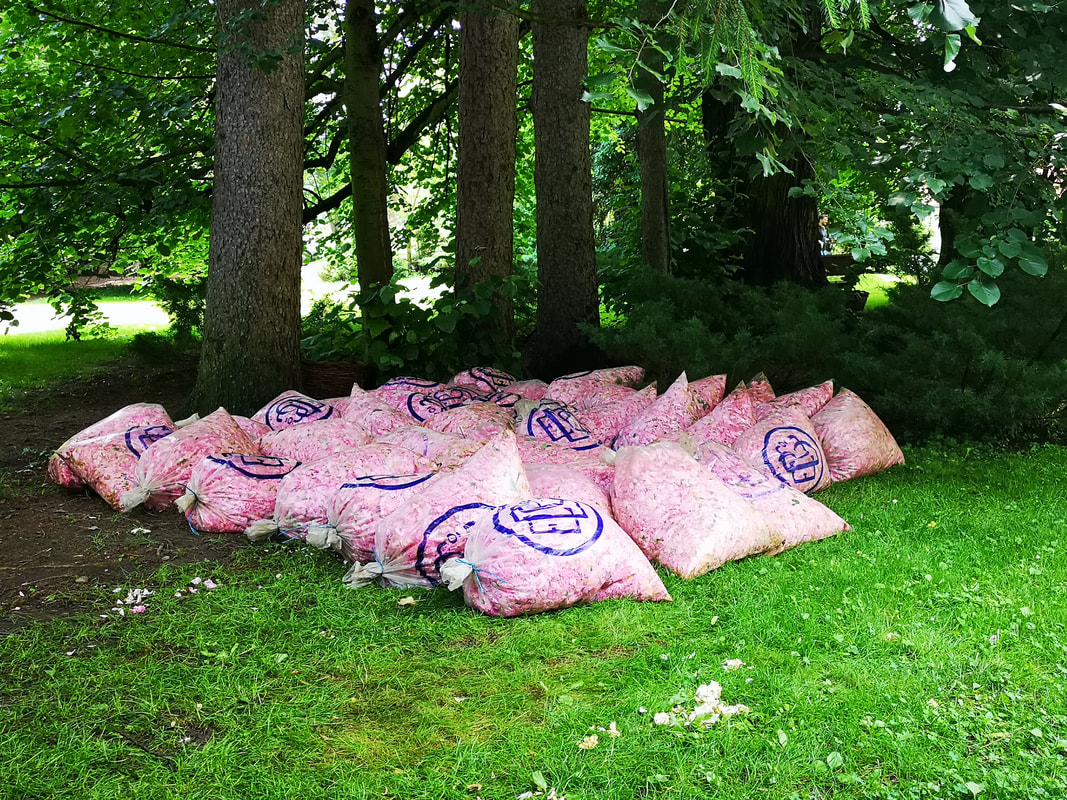
The Rose is the symbol of Bulgaria. Rose picking, one of the oldest and traditional customs of Bulgarians, has become primarily a tourist attraction. Carpets from the time of the Bulgarian Revival are now highly valued works of art. The major centers of carpet weaving are Kotel, Chiprovtsi and Samokov. Along with traditional handicrafts, Bulgaria’s people have also preserved a wide range of traditional popular customs and songs.
There are a number of architectural reserves in the country that preserve the unique Bulgarian architecture from the age of the Revival (18th – 19th centuries) – Koprivshtitsa, Tryavna, Bozhentsi, Zheravna, Bansko, and Melnik, among others. In some of the ethnographic complexes, such as Etara, Zlatograd, and Old Dobrich, tourists can appreciate first-hand Bulgarian customs and handicrafts, since residents continue to make articles according to old techniques passed down from generation to generation.
During the Bulgarian Revival, the monasteries served as centers of artistic and educational activity. There are still many working monasteries in the country – Rila Monastery, Bachkovo Monastery, Troyan Monastery, Zemen Monastery, Glozhene Monastery, Kilifarevo Monastery, Shipchenski Monastery, and others. Our country is also famous for its well-established national traditions of icon painting and wood carving. The best known icons and carvings are from Samokov, Tryavna and Bansko.
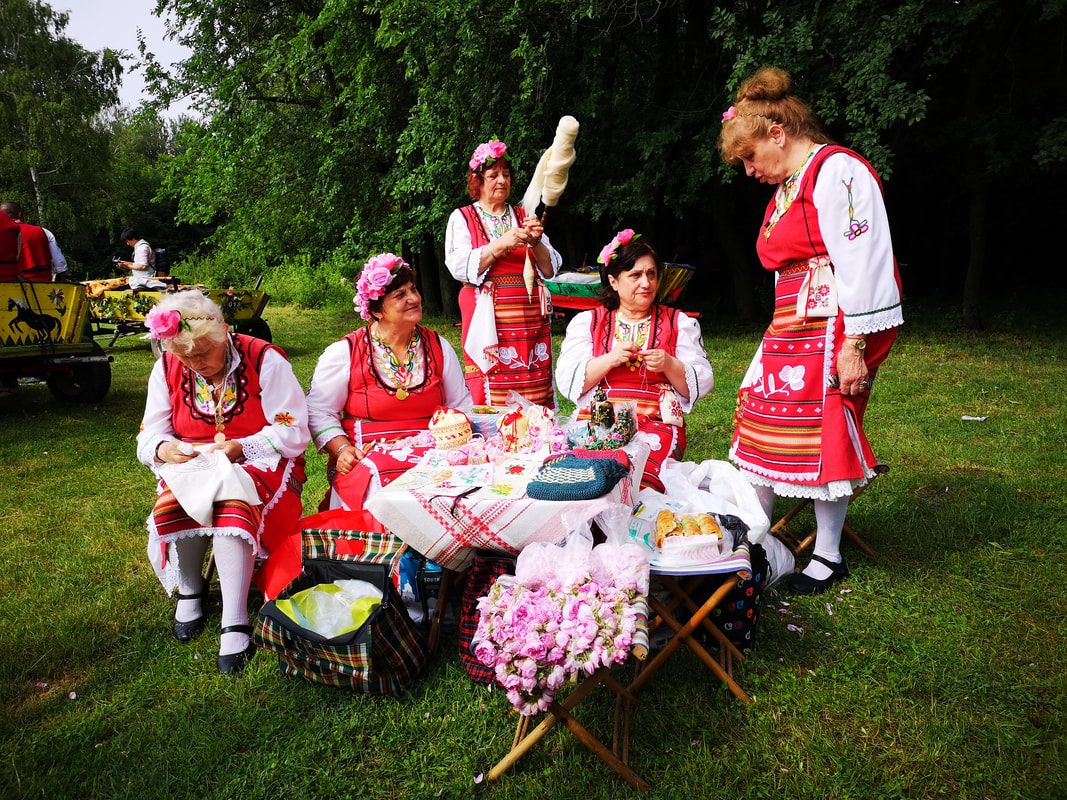
The Bulgarian national costume is an intrinsic part of Bulgarian lifestyle and culture. Over the ages, folk costume designs have been influenced by Thracian, Slavonic and ancient Bulgarian motives. The basic article of clothing is a white shirt with long sleeves, worn under vests and coats of various shapes, materials and decorations. There are four types of national female costumes: the single apron, the double apron, the tunic, and the sayana, and there are two types of national male costumes: white-shirt and black-shirt. Each ethnographic area (Dobrich, Pirin, Rhodope, Northern, Thracian and Sofia) has its own typical workday, holiday and wedding costumes.
An important part Bulgarian culture is folk music and national dances, such as the horo. Instruments typically used to perform Bulgarian national music are the fiddle, the mandolin, the kaval (flute), the gaida (bagpipe), the pipe, the dvoyanka (double pipe), the drum and the taranbuka, another percussion instrument. Bulgarian folksongs are handed down orally from one generation to the next. The ensembles “Cosmic Voices”, “The Mystery of Bulgarian Voices” and the folklore ensemble “Pirin” are internationally famous. Bulgarian traditional dances are exceptionally vivid forms of artistic expression. Most often they are performed by a group of people touching palms in a closed or open circle, semicircle, serpentine pattern, or in a straight line. Participants perform similar movements in unison, along with gestures and steps to a specific melody (the horo). Depending on the rhythm and the steps, there are a number of horo types: the standard horo, the rachenitsa, the paydushko horo and the improvised horo.
Bulgaria’s museums preserve valuable collections of domestic, cultural and military articles; statues, burial steles and monuments; masks, mosaics, and small statuettes of ancient gods; and many other precious exhibits.
Bulgarians have developed their culture and enriched it over the millennia, and they preserve it and continue to develop it to the present day. In more recent times, Bulgarians have also had reason to take pride in their literature, arts, music, and architecture. A proof of ongoing involvement is Bulgaria’s rich cultural calendar of national and international festivals for young and old alike, as well as other gatherings, cultural events, and expositions.

​https://bulgariatravel.org/
0 Comments
<<Previous

    Archives

    January 2026
    November 2025
    April 2023
    November 2022
    October 2022
    April 2022
    February 2022
    May 2021
    April 2021
    March 2021
    January 2021
    December 2020
    November 2020
    October 2020
    September 2020
    August 2020
    July 2020
    June 2020
    May 2020
    April 2020
    March 2020
    January 2017
    December 2016
    September 2016
    March 2016
    February 2016
    January 2016
    May 2015
    April 2015
    November 2014
    October 2014
    September 2014
    August 2014
    July 2014
    June 2014
    April 2014
    February 2014
    January 2014
    December 2013
    November 2013
    October 2013
    September 2013
    August 2013
    July 2013
    June 2013
    January 2013

    Categories

    All
    Archaeology
    Balcani
    Balchik
    Balkans
    Belgrade
    Birdwatching
    Black Sea
    Bulgaria
    Burials
    Chiese
    Church
    Cibo
    Culturale
    European Best Destinations
    Exhibition
    Food
    Kazanlak
    Kosovo
    Ljubljana
    Macedonia
    Memorial House
    Monasteri
    Mosque
    Narrow-gauge Line
    Nature
    Ohrid
    Paleondology
    Plovdiv
    Roman
    Romania
    Rose
    Rose Valley
    Serbia
    Slovenia
    Sustainability
    Thracian
    Tour
    Tourism
    Varna
    Viaggio
    Wine

    RSS Feed

Immagine
Picture
Picture